Monthly Archives

August 2011

Books

Brooklyn Bugle Book Club: “To The End of the Land” by David Grossman

August 25, 2011

A parent’s work is never done, the saying goes, and there’s a reason for that. Several, in fact, but the existential one is the subtext for David Grossman’s fascinating book To the End of the Land. The work of organizing a home, and feeding nurturing and caring for its inhabitants always falls to someone, and in that work – cooking and eating and dishes and laundry – a lot of living gets done. This appears to be true regardless of culture. Grossman is an Israeli and Israel, with its three years of compulsory army service, asks much more of its parents than we do.

In the novel Ora, separated from her husband of 20 years, Ilan, and estranged from her older son, has left her home to go on a hike the length of the country, to pass the time while her second son, Ofer, extends his military service by a month. More importantly, she wants to be out of reach of the messengers she is desperately afraid will come to tell her of her son’s death in action. On the way to her starting point, she has an irremediable fight with her long-time Arab-Israeli driver, and plucks her old friend Avram out of his drab existence to accompany her. Avram has a tragic history of his own, slowly revealed through the course of the novel, that is inextricably intertwined with Ora’s and Ilan’s.

Ora spends the walk describing her family’s life to Avram. “A family is a perpetual occurrence,” she says at one point. She is still simultaneously avoiding and puzzling out the cause of its sundering. Avram, it is not giving away too much to reveal, is Ofer’s father. In the course of their walk, with Ora relating the story of Ofer’s 21 years, Avram becomes his parent. They walk from signpost to signpost but also from memorial to memorial, for soldiers, almost all aged 21. Regarding one, Ora says, “There’s no more room for all the dead.” Meanwhile, in a subplot I found to be not completely credible, Ora witnesses Avram slowly return to life, until, in a more realistic twist, she realizes that he has managed a life without her and Ilan despite their guilt.

The ending of the novel is ambiguous, though readers of The New Yorker who read George Packer’s 2010 profile of Grossman (available behind a paywall here) will remember that Grossman’s son Uri was killed during the time he wrote the book. It’s not an autobiographical novel; Grossman says in an endnote, “What changed, above all, was the echo of the reality in which the final draft was written.”

Endless conflict has a pernicious effect on the soul, and that’s what, in the end, this novel is about. What happens when living a good life, and teaching your child to be good, isn’t enough to protect your child? From circumstances? From the consequences of the choices he has had to make? Recently the New York Times ran a story about Israeli women picking up Palestinian women and children from the West Bank and taking them to the beach for the day. Is that enough? The morality may be particularly ambiguous in Israel. The universal truth, vividly exposed here, is that all the choices are bad and the compromises we have to make are ugly indeed.

Have you read this beautiful and troubling book? Does Ofer survive his extra month? What do you think will happened in the end to these characters? Use the comments and talk back!
 

From the Web

Arts and Entertainment, News

Video: Earthquake in New York? This 1972 TV Movie Imagined It

August 23, 2011

The moment today’s DC area earthquake shook Brooklyn Heights, we thought about the corny and wonderful 1972 made for TV movie Short Walk to Daylight.

It starred a pre-Mr. Streisand James Brolin as NYPD officer Tom Phelan who leads a rag tag crew of Noo Yawkers through subway tunnels after a devastating shaker hits the Big Apple.  The cast is a regular potpourri of great 70s character actors including James McEachin and Abbey Lincoln.

At about 1:45 in the attached video, hear Brolin and his hammy NYC accent utter the classic lane, “An OITHQUAKE…. in Noooo Yawk?!”

From the Web

Books

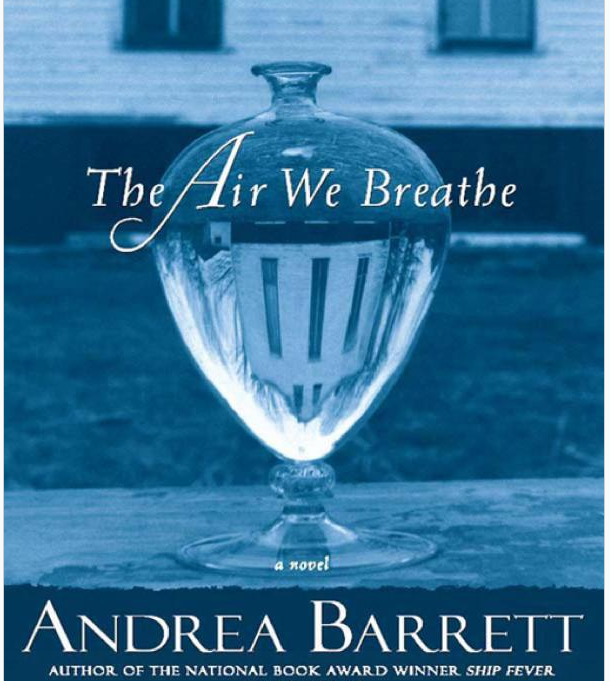
Brooklyn Bugle Book Club: “The Air We Breathe” by Andrea Barrett

August 18, 2011

I recently finished reading Andrea Barrett’s 2007 novel The Air We Breathe. It’s set in a tuberculosis sanatorium in the fictional Adirondack town of Tamarack Lake during 1915-1917, while the Great War was under way but before the US had entered it.

The story involves a quadrilateral romance. Miles Fairchild, a wealthy industrialist patient staying at a private boarding house in Tamarack Lake loves Naomi, his landlady’s daughter. She in turn loves Leo Marbury, an impoverished German-Jewish émigré confined to the public sanatorium. He loves Eudora, a nurse’s aide there, who is also Naomi’s best friend. Part of the plot turns on Eudora figuring out whether she loves Leo back. They all get to know each other after Miles organizes a series of discussions in which the various patients lecture their fellows on something they know from the outside world.

And the plot also turns on those discussion groups, because during one of them there’s a suspicious fire. Miles, who has become a leader in a homeland security vigilante group, undertakes the investigation and, partly because he is jealous of him, throws suspicion on to Leo. Circumstantial evidence supports his theory.

Tamarack Lake is not an otherworldly place like Hans Castorp’s magic mountain. The novel considers issues of class and origin, and Leo is suspected partly because he is German. (An irony, of course, is that had he stayed in Germany, and lived long enough, he would have been a victim there because his mother was Jewish.) The Great War does not stay out of patient’s lives—one measure of the repression they experience is their changing access to information from the outside.

Ever since I read “Ship Fever” I’ve thought of Barrett as a writer who lets the bones of her stories show, but here the bones are covered with muscle and skin, and clothed in flowing silk that shifts and uncovers, now the curve of a breast, later a glimpse of inner thigh. (To extend the metaphor, there is no fat in this narrative.) This impression is strengthened by an unusual narrative device: the rest of the patients take over the narration occasionally, becoming a shared unconscious, demonstrating how quickly an unsupported rumor can spread among a community and take on the aura of truth. Read one way, the story is an allegory of our present-day mistrust of immigrants, particularly Muslims. Read another, it’s a story of class in American life.

I keep thinking about this book, and every time I do, I come up with a new possible interpretation. Have you read it? Do you agree or disagree? Which of Barrett’s other books would you recommend? Use the comments to discuss and make your recommendations.

From the Web

Bloggers, Profiles, Sheepshead Bay

Sheepshead Bay ‘Bites’ Less than Blogger Ned Berke Originally Thought

August 10, 2011

The last place Ned Berke thought he’d wind up was back home in Sheepshead Bay. Probably the second-to-last place he thought he’d wind up was online, blogging at SheepsheadBites.com about the southern Brooklyn neighborhood where he grew up, covering the news and becoming something of a local celebrity.

“I’ve always had wanderlust,” the 28-year-old Berke said in a recent phone interview. “I’m always on the move. It’s one of the things that’s really killing me about running the site professionally—I can’t ever leave.” Continue Reading…

From the Web

Arts and Entertainment

Urban Folk Art Gallery Showcases Local Graffiti Legends

August 9, 2011

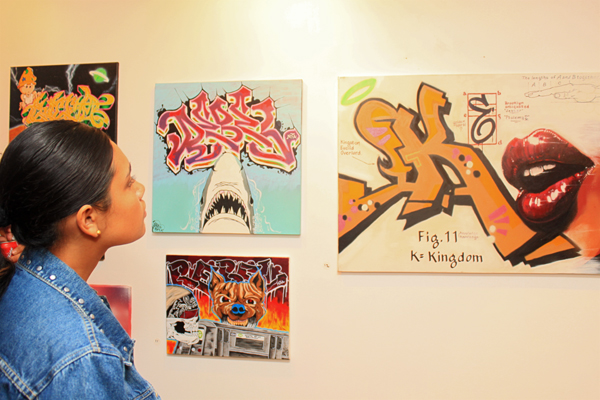
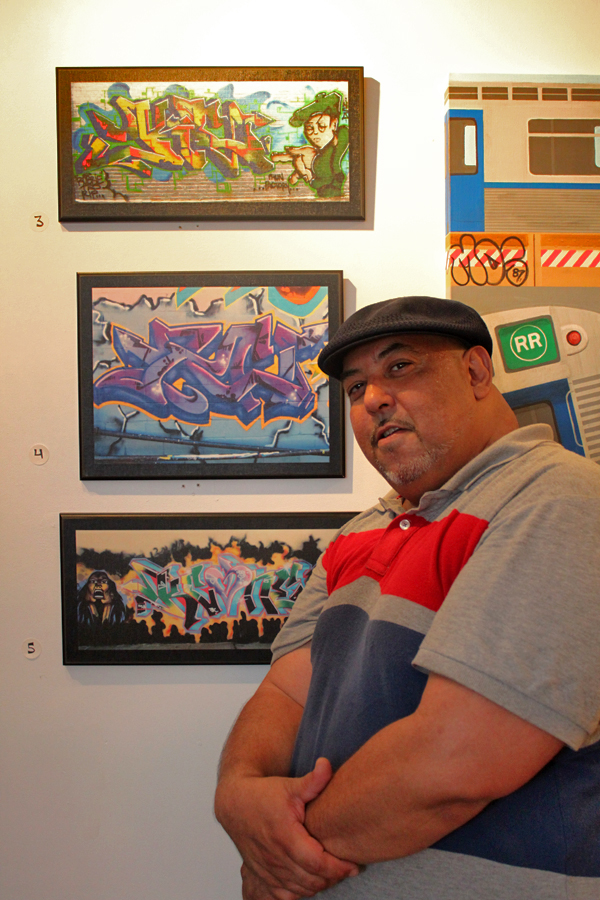
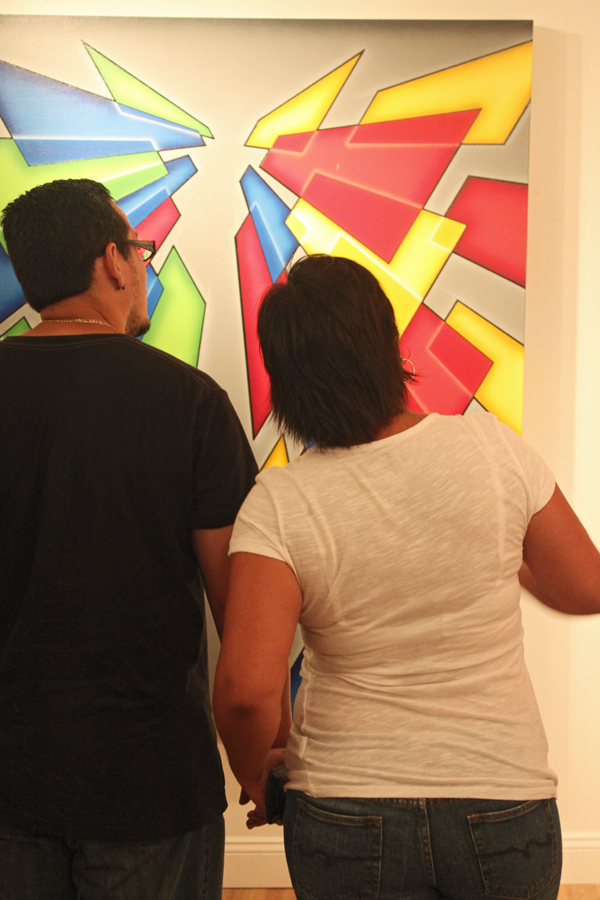
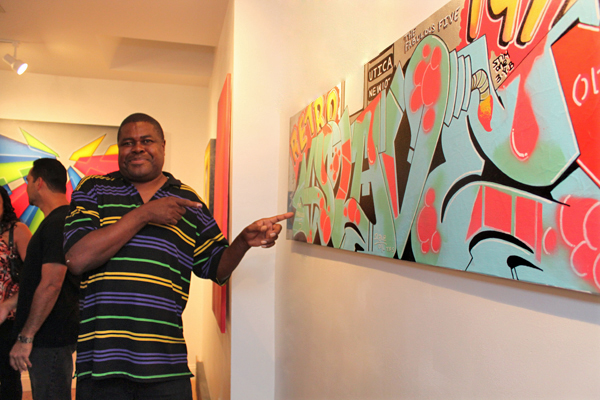
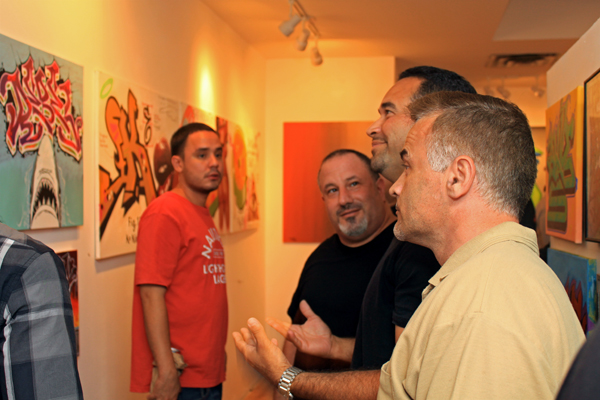
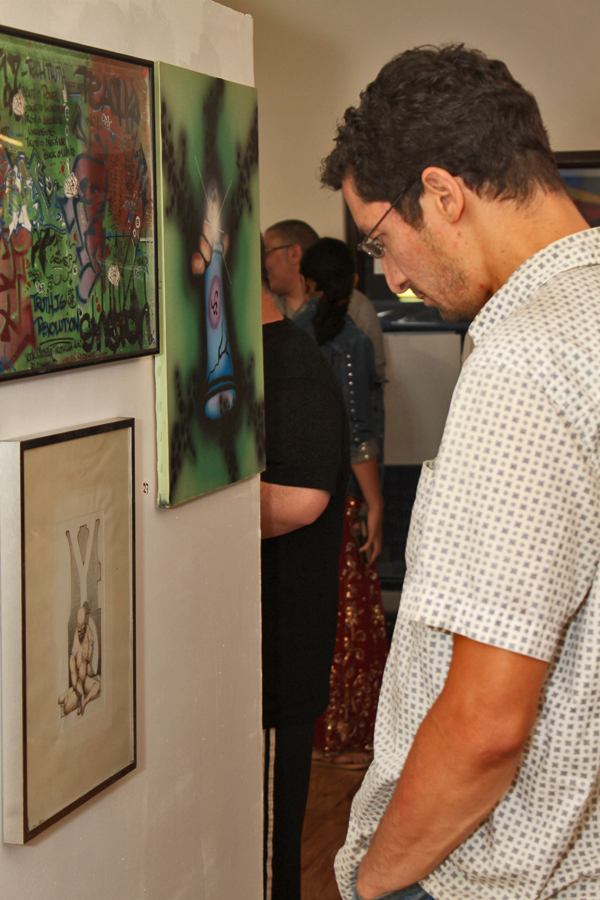
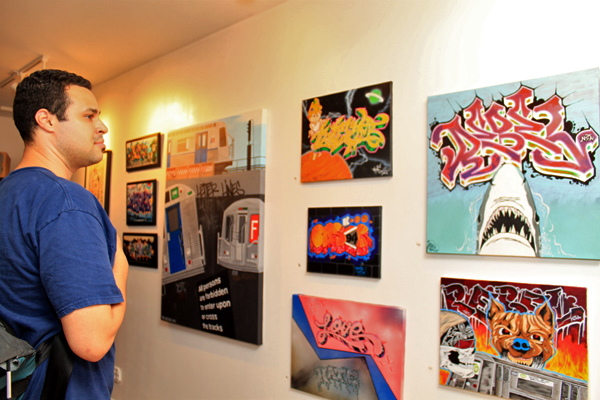
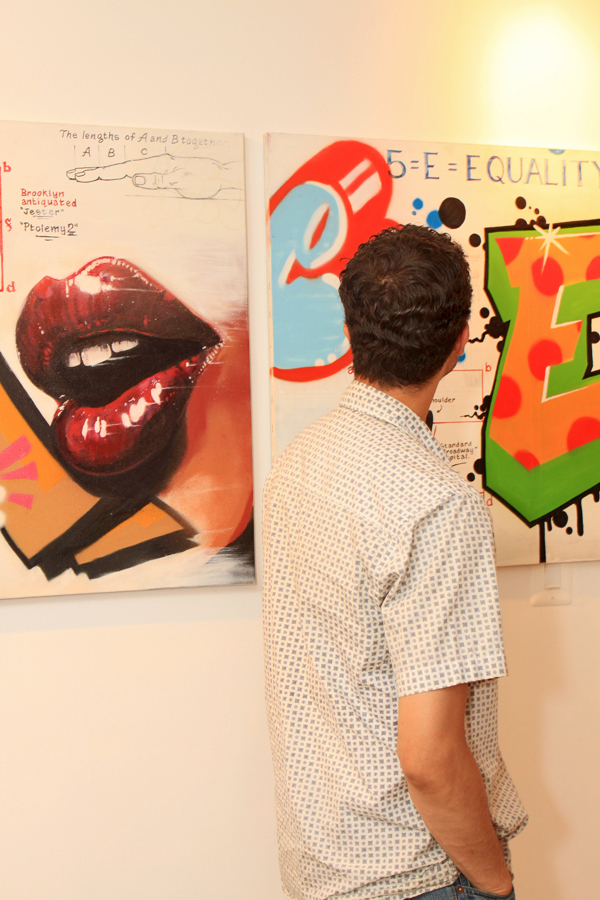
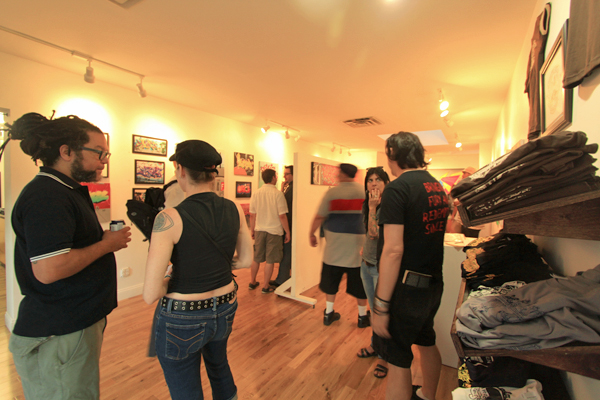
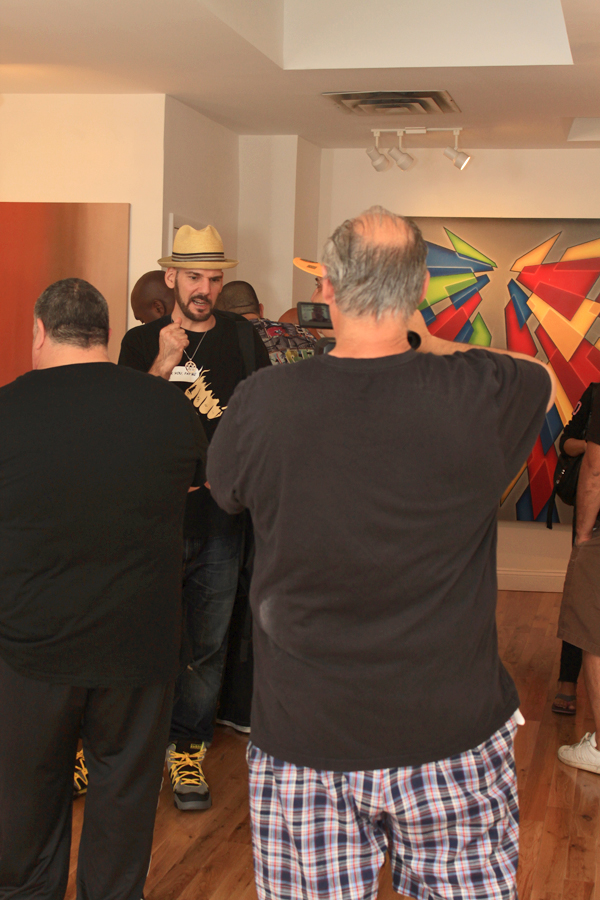
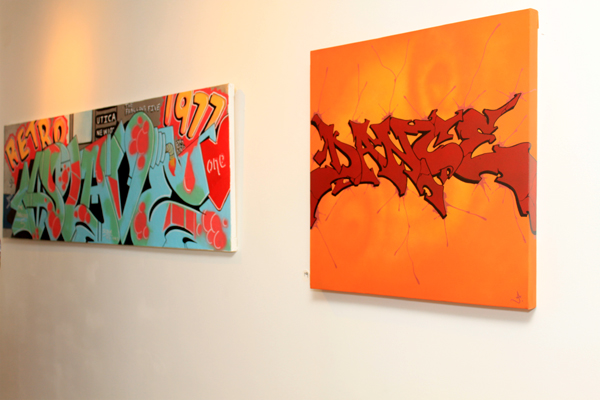
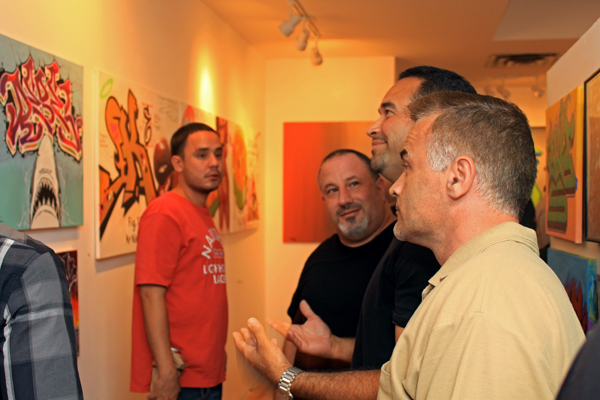
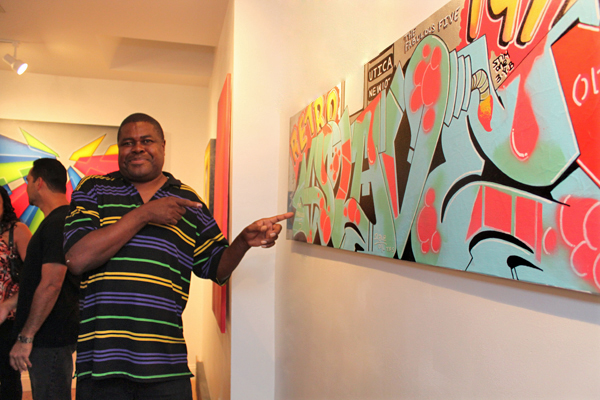
The Urban Folk Art Gallery buzzed with a frenetic energy as intense as the vibrant artwork adorning the walls during the opening party for “The Usual Suspects 2” graffiti exhibition on Friday night.

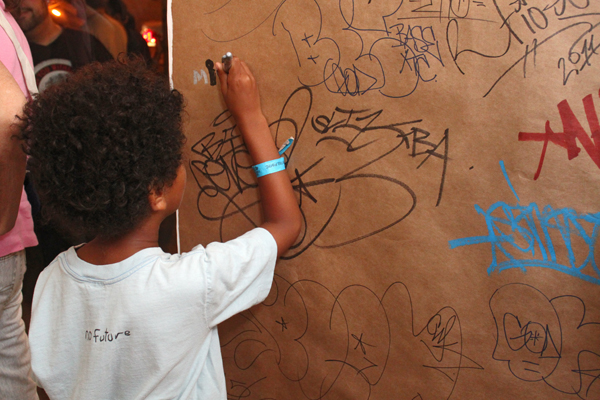
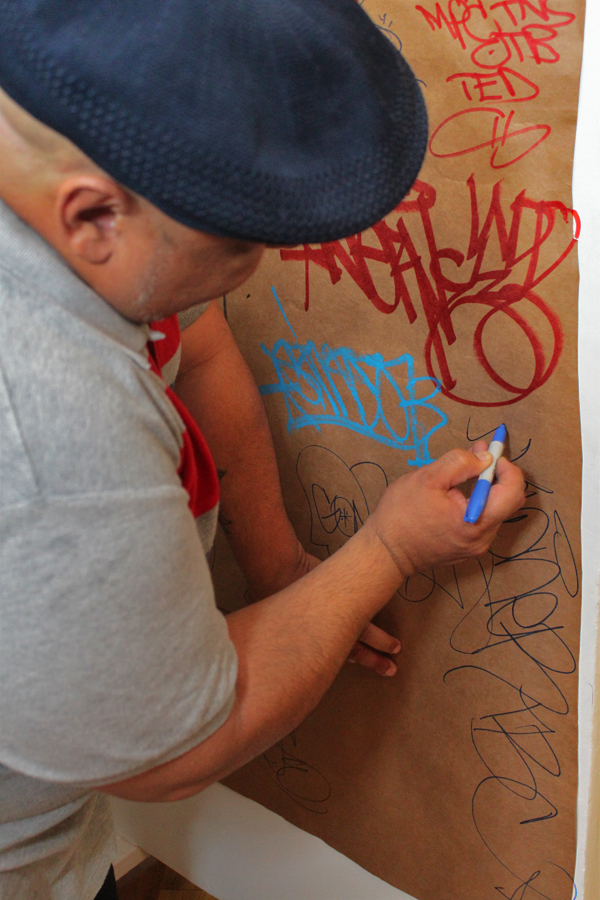
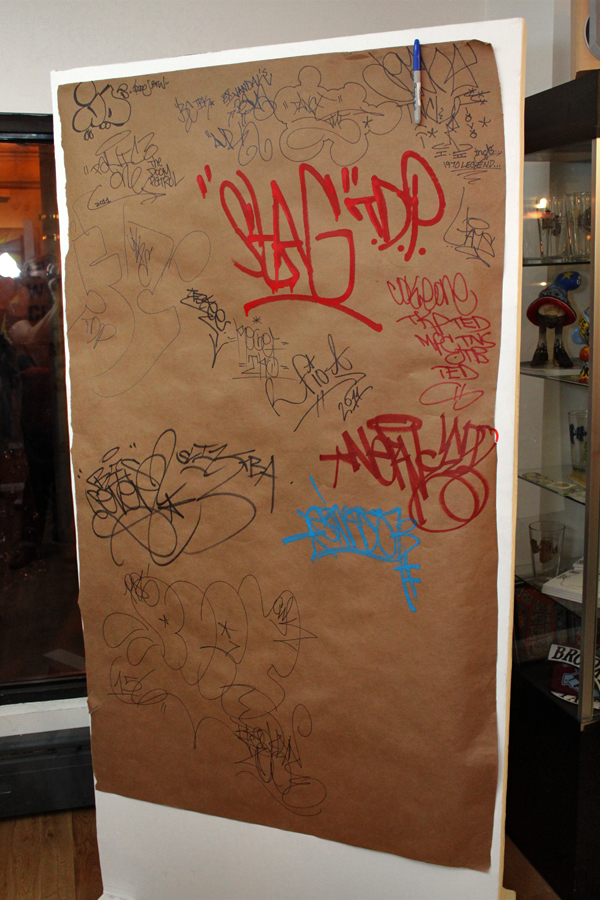
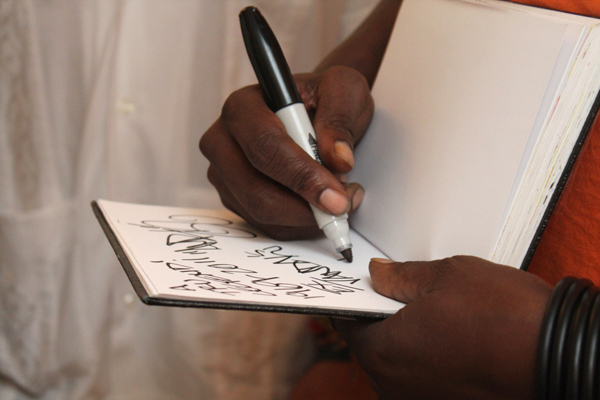
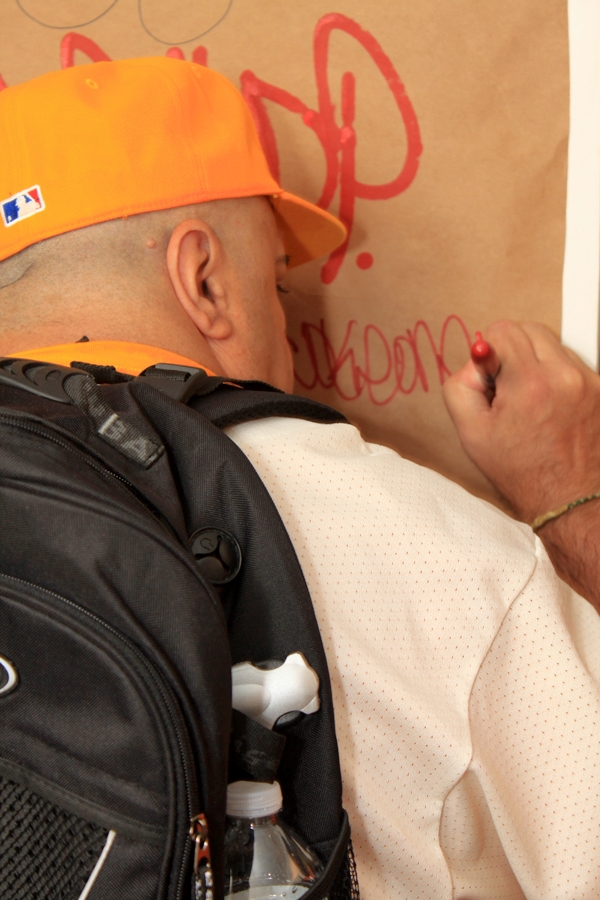
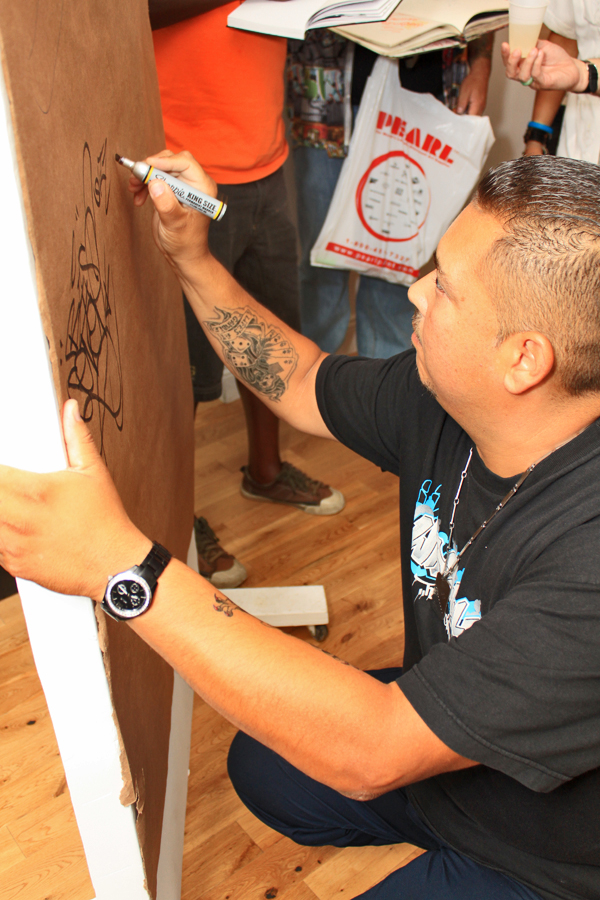
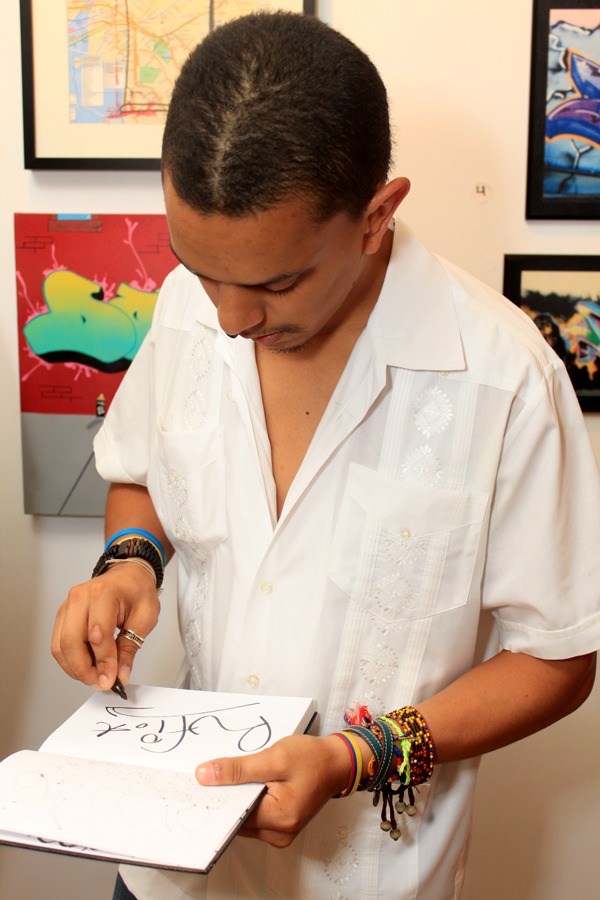
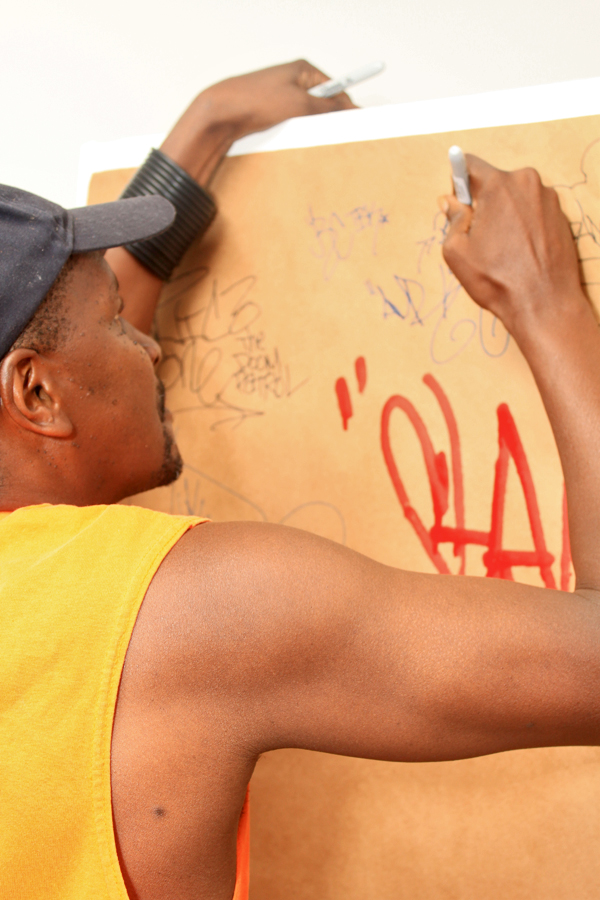
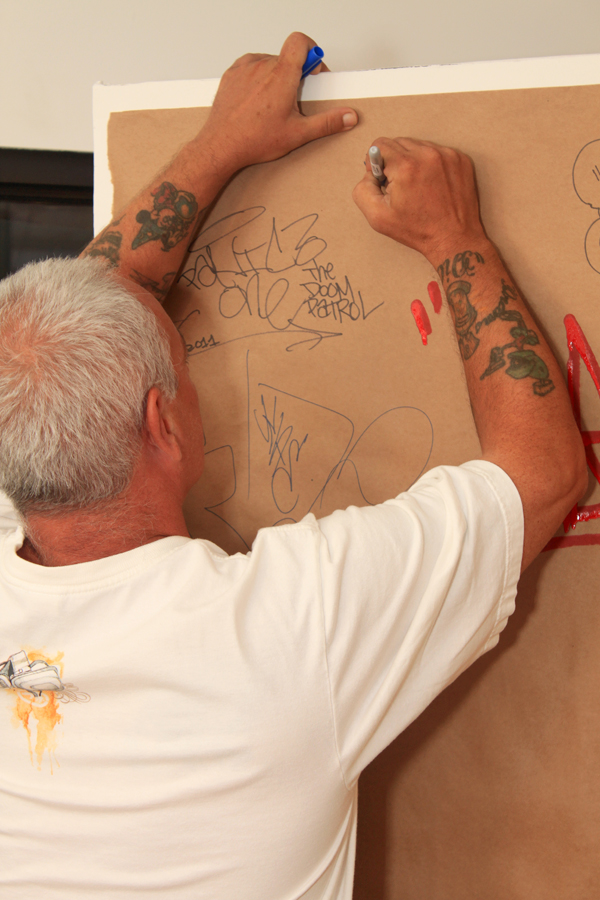
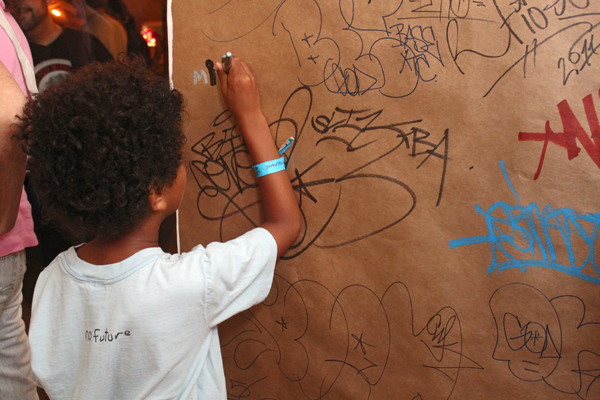
Friendly shouts of greeting filled the air as visitors eagerly lined up to draw their own graffiti art alongside some of the local legends featured in this group show. Such is the notoriety of these “old school” graffiti artists that the NYPD Vandal Squad appeared outside the opening of their first exhibition together last summer, according to Urban Folk Art Gallery co-owner/co-curator Adam Suerte.

“The first “Usual Suspects” show we did was at the Last Exit and that went over really well, so this is just an expansion of that one,” said Suerte, whose gallery opened this past January. “We added more guys who were writing graffiti a little earlier, but I’d say 95% were based in Brooklyn when they started.”

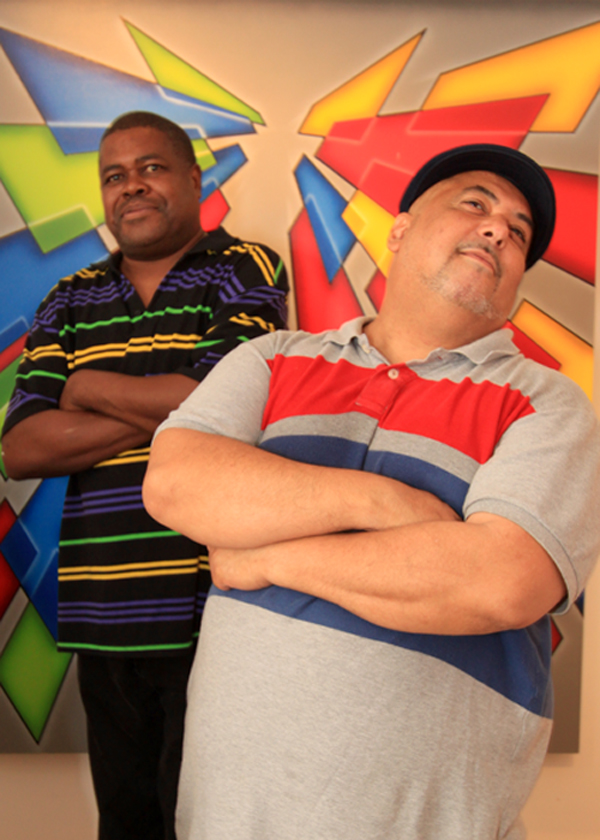
The exhibition is comprised of 29 works by Suerte and 13 other artists, who are all over the age of 40 and started out in New York City’s graffiti scene during the 1970s and 80s.

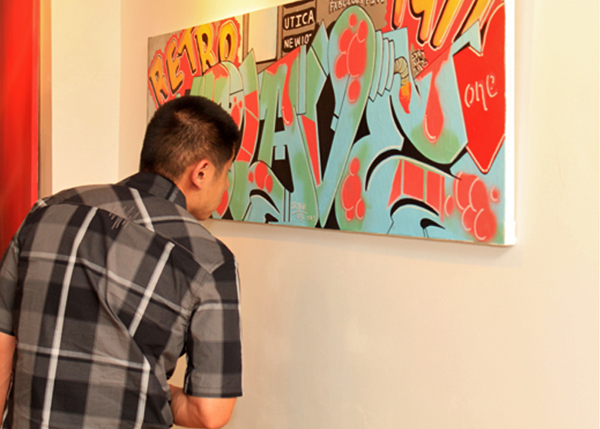
“At the time I was doing it, we were inventing all these styles that they’re using now,” said artist Kenneth Durant (aka SLAVE), who was part of the infamous Fab 5 crew that covered entire subway trains with graffiti in the 1970s. “I get a lot of respect from these newer guys because I was doing it for real on the trains,” Durant noted.

Past and present collide in Durant’s untitled painting on display in the exhibition. His tag or graffiti signature looms large on the canvas, with just a glimpse of a train car in the background. Painted when Durant first returned to New York City in 2009 after a 30-year absence from the scene, it is actually a reproduction of a SLAVE graffiti piece from 1977, when “bombing” No. 5 subway trains with his work was a regular habit.

Times have changed for Durant, who now only leaves his mark on canvases and public spaces where graffiti art is permitted. “Legal stuff only,” he explained. “I don’t have time to go to jail.”

“The Usual Suspects 2” co-curator/artist Anthony Jehamy (aka DANCE) has also left the thrill of illegal art behind to work on commissioned murals, smaller canvases and photography. “I started taking it to another level,” Jehamy said. “It’s not only graffiti that I’m into… I like all forms of art.”

When Jehamy was painting “A Piece in the Sun,” which is one of his three works included in the show, he was reminded of the days when he would go out alone to write graffiti. “I was in my house without any of my friends and when I started blending the colors, it made me think of the molten surface of the sun,” he noted. His tag seems to burst forth from the canvas, set against fiery swirls looping in the background. “I wanted it to be almost like charred lava inside the sun… it’s like the sun is giving me my shine,” Jehamy explained.

Seeing his work showcased in a gallery gives Jehamy “a different type of rush,” then the adrenaline surge he felt when spotting his tag on subway trains. “Seeing it on a canvas in a gallery, it’s a good feeling. It makes me feel like I’ve upped my game and that personally, I’ve taken it to another place.”

“Back then, it was an adventure,” added artist Eric Molina (aka KC), who has three pieces on exhibit in the show. “Right now, it’s trying to keep up a legacy.”

“Graffiti is in my blood,” explained Molina, as he made his way through the throng of visitors to leave his mark alongside their tags on a sheet of paper tacked up by the gallery entrance. “I’m an old man writing graffiti, but the youngster in me keeps me doing it.”

“The Usual Suspects 2” Art Show will be up until the end of August at the Urban Folk Art Gallery located on 101 Smith Street. The exhibition showcases the work of graffiti artists ALIVE, BASIC, CHIEF, DANCE, JAMES TOP, KC, KEO, MOS ONE, POET, REBEL, REK, SLAVE, SNATCH and SUERTE.


Photos by Lori Singlar for the Brooklyn Bugle

From the Web